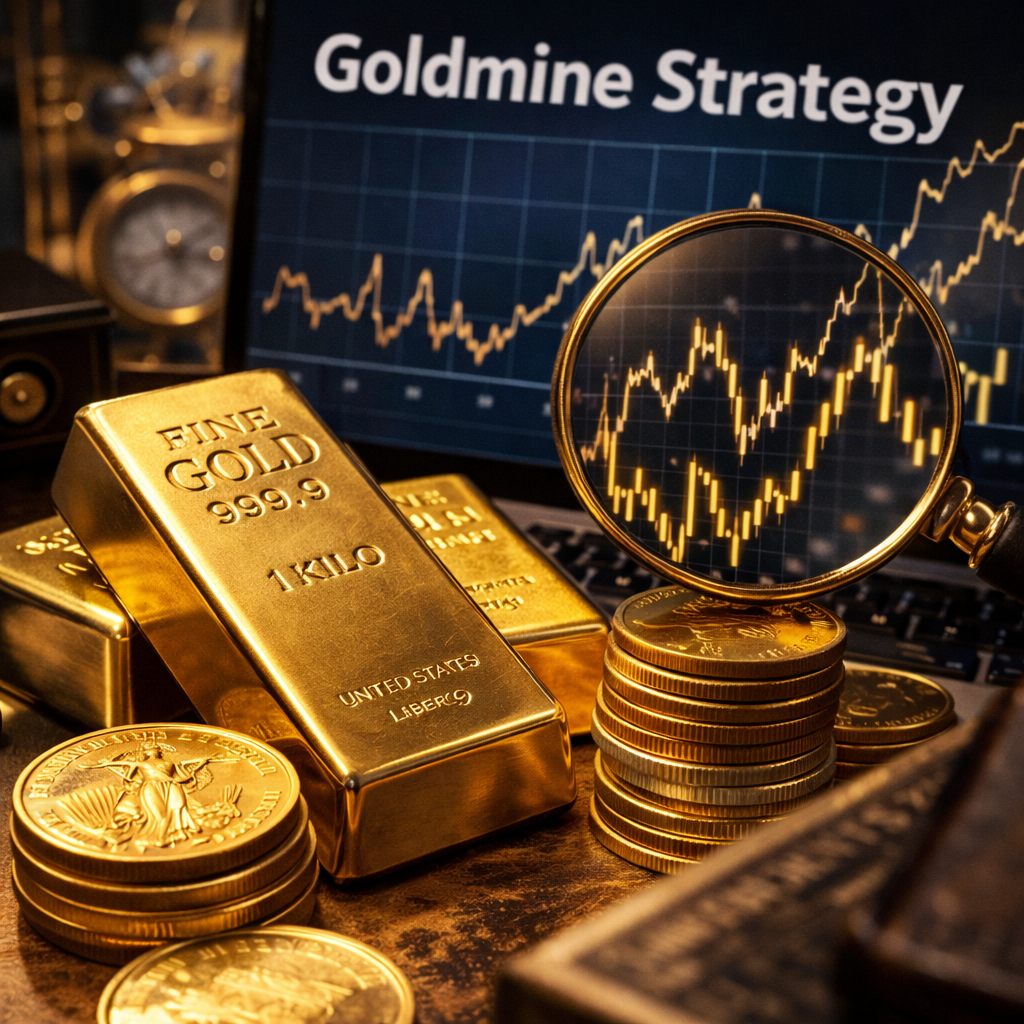
Gold has never been just another commodity. For centuries, it has been money, power, protection, and psychology wrapped into a single metal. While millions of investors dabble in gold hoping for safety or short-term gains, a much smaller group—elite bullion traders—have quietly built generational wealth using a disciplined approach known as the Goldmine Strategy.
This strategy isn’t about chasing headlines or guessing price tops. It’s about understanding cycles, mastering emotion, and recognizing why gold behaves the way it does—especially during moments of economic stress. In today’s volatile environment of inflation concerns, geopolitical tension, and shifting monetary policy, the Goldmine Strategy has never been more relevant.
Gold as a Timeless Store of Value
Gold’s role in wealth preservation stretches back over 5,000 years. From ancient coinage to modern central bank reserves, gold has remained the asset of last resort when confidence in governments or currencies falters.
Even today:
- Central banks collectively hold over 35,000 metric tons of gold, according to World Gold Council data
- Gold remains a core reserve asset for the U.S., Germany, Italy, and China
- During periods of high inflation, gold has historically outperformed many fiat currencies
Unlike stocks or bonds, gold carries no counterparty risk. That fundamental truth is the foundation upon which the Goldmine Strategy was built.
The Origins of the Goldmine Strategy
The Goldmine Strategy emerged in its modern form after 1971, when the United States officially ended the gold standard. Once gold was no longer pegged to the U.S. dollar, its price became a reflection of global confidence—or lack thereof—in monetary systems.
Early adopters of the strategy, particularly in Europe and the Middle East, noticed patterns:
- Gold surged during currency devaluations
- Political instability increased safe-haven demand
- Central bank policy shifts created predictable volatility
Rather than trying to forecast prices, these traders focused on why gold moved. Over decades, this evolved into a systematic framework combining macroeconomics, psychology, and patience.
How Elite Bullion Traders Think Differently
Gold as a Cycle, Not a Trade
Elite bullion traders don’t view gold as a short-term speculation. They view it as a cycle-driven asset that responds to fear, policy, and time.
Key indicators they monitor include:
- Inflation and real interest rates
- U.S. dollar strength
- Central bank gold purchases
- Sovereign debt levels
- Geopolitical flashpoints
When these forces align, gold tends to move decisively—but rarely overnight.
As one veteran precious metals trader explains, “Gold rewards those who wait for confirmation, not those who react to noise.”
Discipline Over Emotion: The Core of the Goldmine Strategy
The most powerful element of the Goldmine Strategy isn’t technical analysis—it’s emotional control.
Common Retail Mistakes
- Buying gold after a sharp rally
- Selling during temporary pullbacks
- Overreacting to daily price swings
Elite Trader Behavior
- Accumulating during periods of pessimism
- Reducing exposure when optimism peaks
- Holding positions for years, not weeks
This contrarian mindset is rooted in data and reinforced by history. Gold tends to perform best when confidence in financial systems is weakest—long before mainstream investors notice.
Goldmine Strategy in Action: A Historical Case Study
The 2008–2011 Gold Bull Market
- Gold traded near $700/oz in late 2008
- By 2011, it peaked above $1,900/oz
- Drivers included quantitative easing, banking instability, and currency debasement
Elite bullion traders were accumulating gold well before the panic peaked, often during periods when gold temporarily declined alongside equities. Retail investors, by contrast, piled in near the highs.
This pattern has repeated across decades.
Knowledge Is the Real Currency
Successful bullion traders treat gold as a global industry, not just a chart.
They track:
- Mining production and exploration trends
- Refinery output and supply-chain reliability
- Environmental and regulatory pressures
- Shifts in physical demand from Asia and Europe
Reliable industry intelligence—such as refinery reports and European bullion market data—plays a critical role in understanding supply dynamics that directly influence long-term pricing.
Modern Evolution of the Goldmine Strategy
Technology has changed how gold trades, but not why it trades.
Today’s elite bullion traders use:
- Gold ETFs for liquidity
- Physical bullion for wealth preservation
- Futures for hedging, not speculation
- AI-driven models to detect macro signals
Despite these tools, the principles remain unchanged: patience, discipline, and pattern recognition.
Psychology: Gold’s Most Consistent Driver
Gold is deeply emotional. It rises when trust falls.
Historically, gold demand spikes during:
- Inflationary shocks
- Wars and geopolitical conflict
- Banking crises
- Currency devaluations
Elite traders don’t fear these moments—they prepare for them.
As one seasoned market analyst notes, “Fear is the only guaranteed catalyst in financial markets, and gold is its most honest expression.”
Benefits and Risks of the Goldmine Strategy
Benefits
- Long-term wealth preservation
- Reduced portfolio volatility
- Protection against inflation and currency risk
- Alignment with historical market behavior
Risks
- Extended periods of flat performance
- Opportunity cost versus equities during bull markets
- Short-term price volatility
The Goldmine Strategy isn’t designed for rapid profits. It’s designed for endurance.
Lessons for Today’s Investors
You don’t need insider access or massive capital to apply Goldmine Strategy principles.
Start with:
- Understanding gold’s historical role
- Studying macroeconomic cycles
- Avoiding emotional decision-making
- Viewing gold as insurance, not speculation
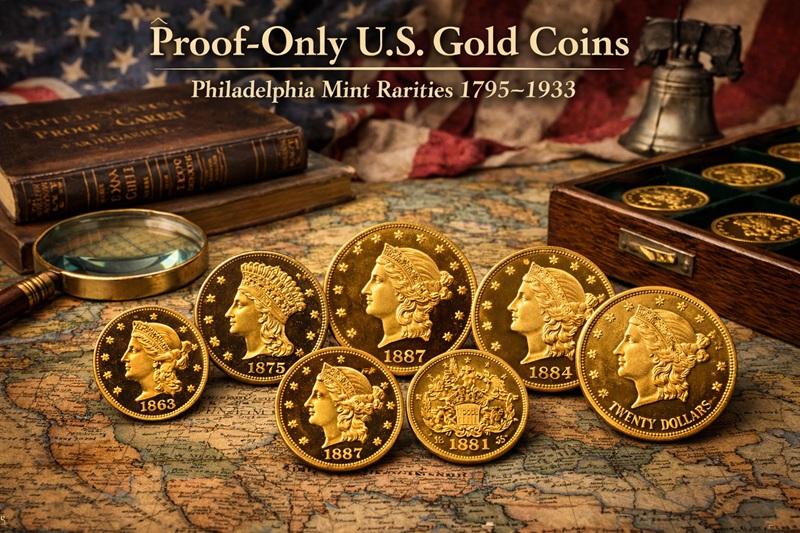
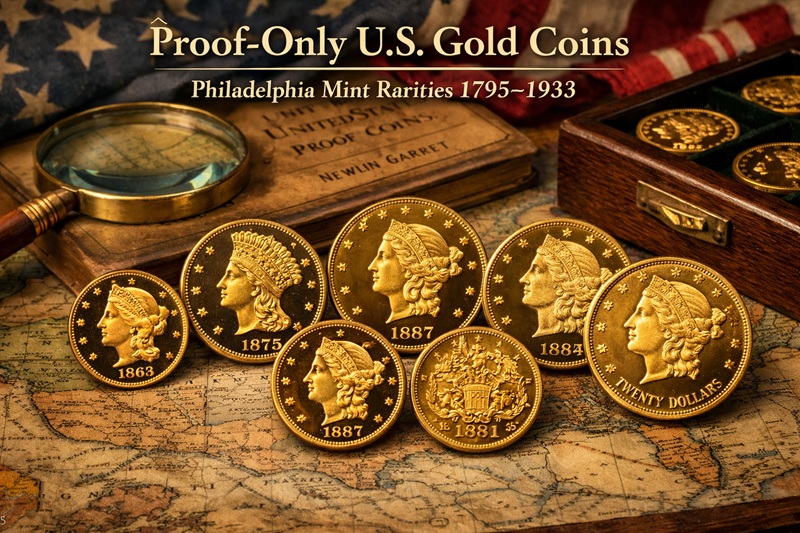
For coin collectors and numismatists, these lessons also apply to rare gold coins, where scarcity, history, and long-term demand often matter more than spot price alone.
TL;DR Summary
- The Goldmine Strategy focuses on cycles, discipline, and psychology
- Elite bullion traders buy during fear, not hype
- Gold responds to macroeconomic stress, not headlines
- Long-term patience is the strategy’s greatest advantage
Frequently Asked Questions
Is the Goldmine Strategy suitable for beginners?
Yes, but it requires patience and education. It’s not a short-term trading system.
Does the strategy focus on physical gold or paper gold?
Primarily physical bullion, with paper instruments used tactically.
Is gold still relevant in a digital economy?
Yes. Central banks continue to accumulate gold as a hedge against systemic risk.
Can coin collectors apply this strategy?
Absolutely. Rare and historical gold coins often follow similar long-term value principles.
Conclusion: Why the Goldmine Strategy Endures
The Goldmine Strategy isn’t secret—it’s simply difficult. It demands patience in a world obsessed with speed and discipline in markets driven by emotion. Elite bullion traders didn’t build fortunes by predicting prices; they built them by understanding fear, time, and human behavior.
In uncertain times, gold remains what it has always been: a mirror of confidence and a refuge for the prepared. For investors, collectors, and professionals alike, the lesson is clear—owning gold is easy; understanding it is where wealth is made.
Optional Call-to-Action:
Investors and collectors should consider reviewing historical gold cycles and reassessing how precious metals fit into their long-term financial or numismatic strategy.